You are currently browsing the category archive for the ‘ANIMAL RIGHTS ADVOCACY’ category.
Milk a bean, milk a grain, milk a nut, milk a seed, milk a drupe (yes, a drupe!), but please don’t milk an animal. When people consume milk from lactating animals, the first thing you should ponder is what is baby cow– baby goat– baby sheep– drinking? What happens to the baby animals? What happens to momma cow– momma goat– momma sheep when her overworked reproductive system stops being “profitable”? The bad news is that the answers aren’t pretty.
The good news is that non-dairy milk options are plentiful. It’s easier than you might think to wean off animal milk. There is no nutritional need for animal milk in the human diet!
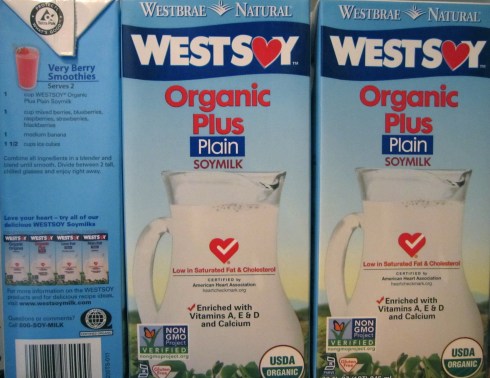
Go to the non-dairy milk section of your local store and you’ll notice an ever-increasing array of plant milks: Soy milk, rice milk, oat milk, almond milk, hazelnut milk, hemp milk, coconut milk..even flax milk! There are different brands of each type of milk. There are different varieties within the types of plant milks..like plain, vanilla, chocolate, unsweetened, fortified. If you don’t like one, try another. Find your favorite!
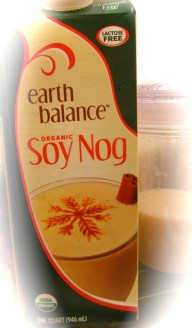
Holiday flavors (YUM!) – Pumpkin Spice, Chocolate Peppermint, Nog


Make your “own” milk: it’s easy to do and you needn’t endure a long pregnancy and painful delivery. It’s also less expensive than packaged milk and more eco-friendly. Personally, I don’t like the aftertaste of packaged almond milks but I love homemade almond milk. I encourage you to make your own nut and rice milks. Here’s how I do it…
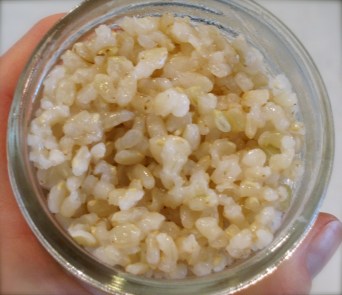
First, make sure you have a batch of cooked short grain brown rice on hand. I make up a batch and freeze portions in 1/2 cup glass jam jars. One cup (dried) rice will make enough for 7 batches of milk.
You must use short grain rice! You don’t want your milk to have a gritty sediment, do you? What’s the difference between long and short grains? The answer is in the percentage of the starches amylose and amylopectin. (I first learned about them from chef Alton Brown…thanks, A.B.!)
Long grain rice has a higher percentage of amylose. Amylose makes the rice cook up dry, firm and separate. Amylose is insoluble in water. Rice milk made from long grains has more of a “gritty” sediment. The resulting milk is more watery, less creamy = not good!
Short grain rice has a higher percentage of amylopectin. It releases starch when cooking, resulting in a moist, soft and sticky grain. The resulting milk will be creamy without a gritty sediment = good!
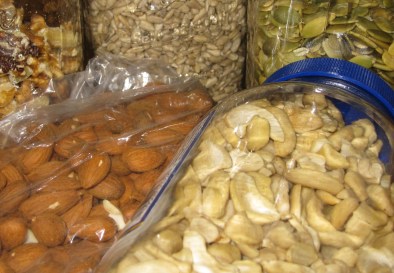
On to the nuts…pick your favorite raw nut. I like to use Brazil nuts, but sometimes I mix it up and use cashews, almonds, or hazelnuts.
Nut Rice Milk (my own creation):
Soak 1/3 cup raw nuts and 2 pitted dates into 4 cups water for 4-8 hours. Blend the water, nuts and dates with 1/2 cup cooked short grain rice and 1 teaspoon vanilla extract in a VitaMix blender or other “sporty” blender. (I don’t know if it would work with a wimpy blender!) Frothy, healthy, affordable and delicious! I don’t strain my milk. I simply shake, then pour.
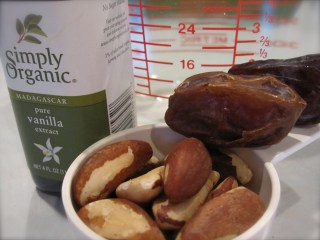
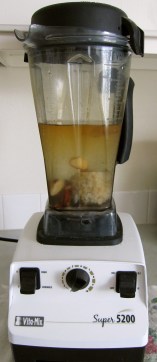

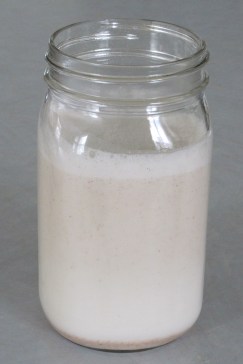
My personal favorite is mixing my homemade nut rice milk with packaged soy milk in a 50-50 ratio. That’s just me! You do what you gotta do…as long as you leave the animals alone!
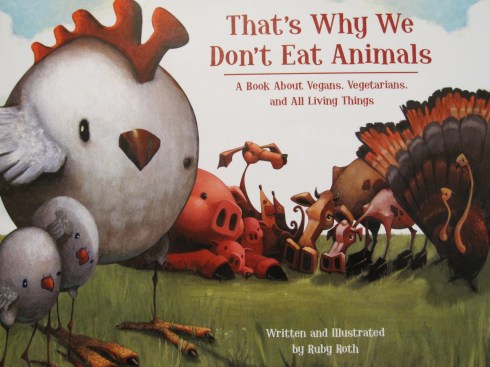
Beware! There’s a new children’s book coming out this week. It’s called “Vegan is Love: Having Heart & Taking Action,” by Ruby Roth. A book about living compassionately surely needs a warning label, don’t you think? Fortunately, the U.S. media’s version of that label aired on Friday, April 20th on NBC’s The Today Show.
The show’s pre-recorded segment with Ruby Roth about her new book was a positive portrayal of vegan parenting. Ruby’s young stepdaughter indicated that her favorite food is KALE. Impressive! Fortunately, the nutritional integrity of a healthy vegan diet for children was not called into question…because it shouldn’t be.
Instead…great “concerns” were voiced by the 2 in-studio guests regarding the supposed use of “scare tactics” in the book (surrounding food as well as other issues of animal exploitation, such as animal testing.) To hear the guests speak, you’d think that Ruby’s book will scar children for life:
“There is so much fear in this book.” “Why do we have to scare them?” The book is “teaching kids to fear food.” Fear, guilt, “graphic pictures:” Very scary stuff.
But who is really afraid of this stuff? Is it really the children? Will they seriously be harmed by a book that honestly exposes them to the real world? Are children so fragile that they cannot handle the truth about animal exploitation, when it is presented with gentle candor and realistic illustrations? Will children truly react negatively, or will they logically respond with compassion and concern? Won’t children want to help animals and take action? I don’t think we give children nearly enough credit.
I think the adults are the fearful ones. Fearful and feeling guilty. It’s actually the adults who can’t bear to look at graphic pictures of animal slaughter. Adults won’t listen to the truth about unnecessary animal exploitation. Adults are resistant to change. Adults don’t want their routines disrupted, their palate pleasure disturbed, or their minds opened.
Are adults– parents– most of all afraid of having their own apathy exposed? If, for example, their children reads the book elsewhere and comes home to share the cruel truths with them…what then? How will they justify their own complicity in the violence? How will they try to convince their children that they do care when maybe they really don’t? Or, if they genuinely care, then how will they explain the hypocrisy in their actions? Children are quite capable of recognizing inconsistencies.
Let’s stop pretending to worry about the children. They’re just fine. Children are inherently open-minded, curious, and adaptable. Children very easily grasp the basic concept of Veganism, which is about non-harming. Young children, in particular, naturally consider animals their friends. Why would they want to hurt their friends?
“Vegan is Love” gently asks young readers to take personal responsibility in the form of taking actions that help make the world a better place for animals. Children are not afraid to do that. They are not fearful. Adults could learn a lot from children.
Here is a perfect example of what I’m talking about, written by my vegan friend from Indonesia:
“I did a talk on Veganism to a bunch of 7 year olds. They totally get it. We also went to a local market in Indonesia and one of the kids happened to see a chicken killed. During the subsequent talk about what happened, children mentioned how horrible that was. I said, I know, but how to you think the meat comes to you? One little girl said, ‘I think it’s mean. That chicken wants to have a family and look after its babies too!’ I said ‘I agree with you,’ and she said, completely off her own back, ‘I don’t think I want to eat animals either!’ Kids get it.”
Check out Ruby Roth’s website here: http://wedonteatanimals.com/
(Picture is my copy of Ruby Roth’s first book, “That’s Why We Don’t Eat Animals”)
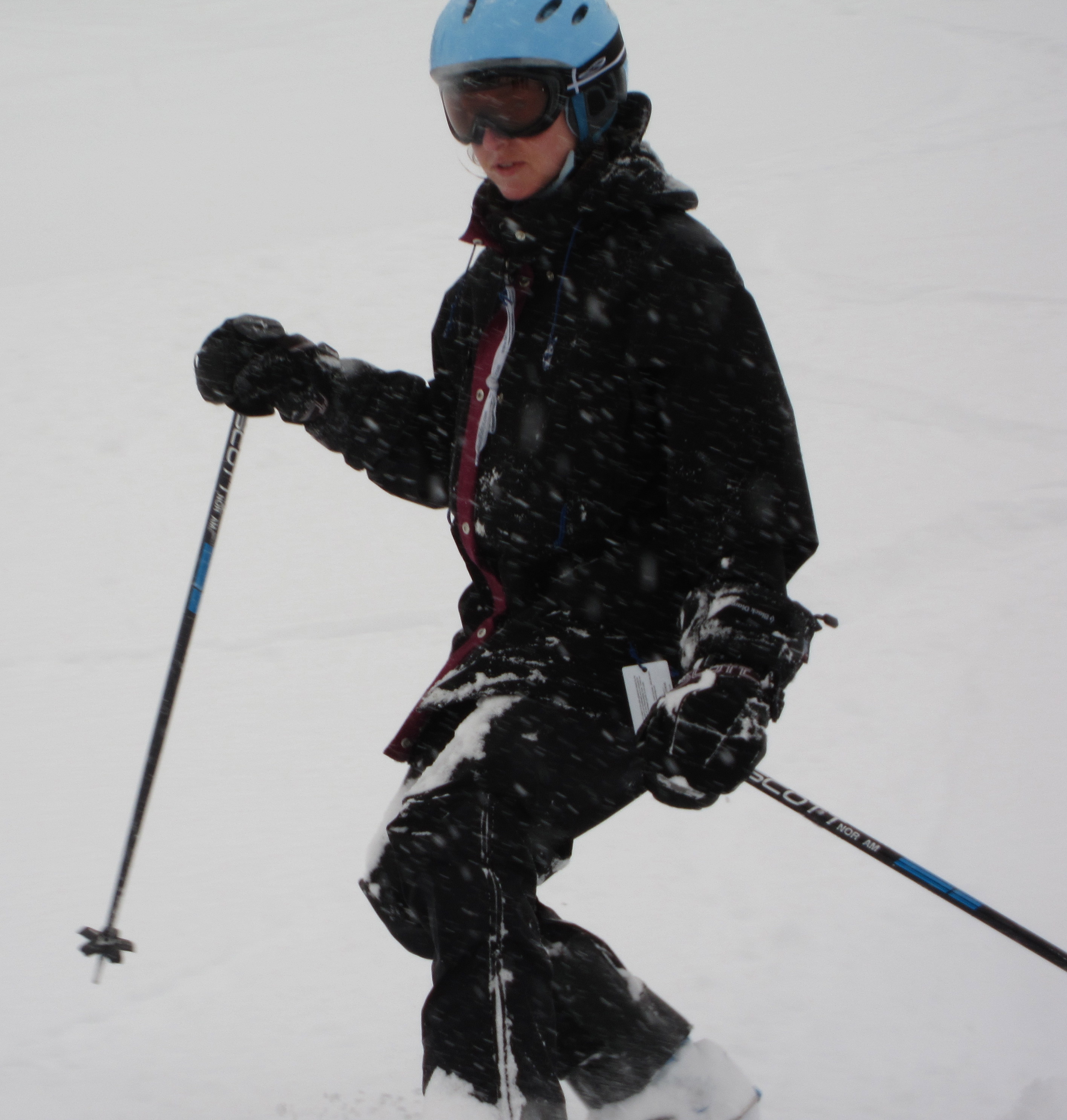

 Freeheel Vegan